

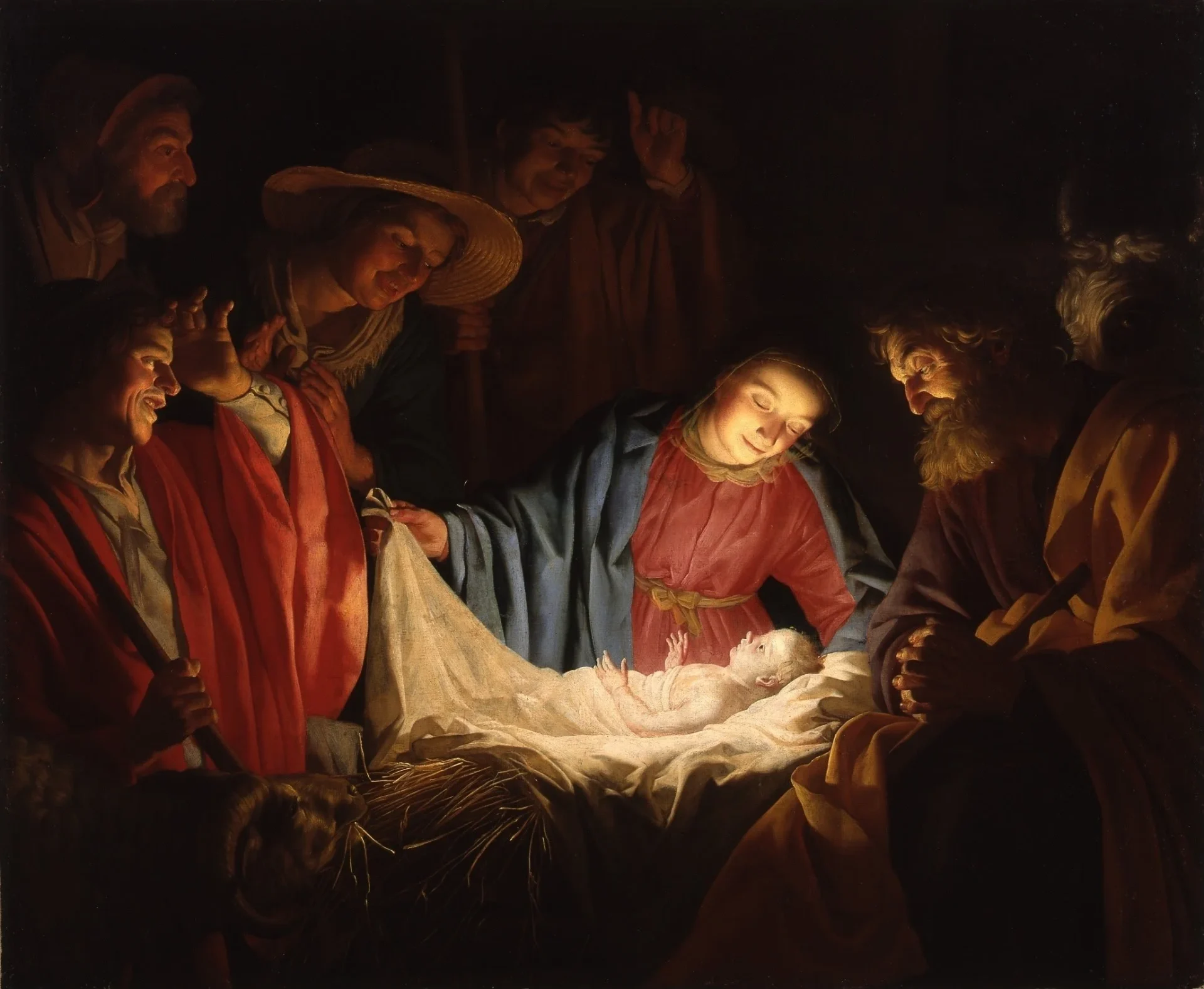
Barrenness In The Old Testament
Of all the breathtaking miracles we encounter throughout the Old Testament: the ten plagues, the parting of the Red Sea, manna and water in the wilderness, Joshua commanding the sun to stand still, Elijah summoning fire on Mount Carmel, Jonah in the belly of the fish, or Daniel in the lions’ den… perhaps none is more profound, or more recurring, than the miracle of birth from a barren womb.
The scriptures paint a consistent picture of divine intervention in the face of human impossibility. Take a look for yourself:
- Isaac (Genesis 11:30, 17:16): “But Sarai was barren; she had no child… Then God said to Abraham, ‘I will bless her and also give you a son by her; then I will bless her, and she shall be a mother of nations.'”
- Esau and Jacob (Genesis 25:21): “Now Isaac pleaded with the Lord for his wife, because she was barren; and the Lord granted his plea, and Rebekah his wife conceived.”
- Joseph (Genesis 29:31, 30:22): “When the Lord saw that Leah was unloved, He opened her womb; but Rachel was barren… Then God remembered Rachel, and God listened to her and opened her womb.”
- Samson (Judges 13:2-3): “And the Angel of the Lord appeared to the woman and said to her, ‘Indeed now, you are barren and have borne no children, but you shall conceive and bear a son.'”
- Samuel (1 Samuel 1:5, 19-20): “…the Lord had closed [Hannah’s] womb… then Elkanah knew Hannah his wife, and the Lord remembered her… Hannah conceived and bore a son, and called his name Samuel.”
- The Shunammite’s Son (2 Kings 4:14-16): “Elisha said, ‘What is to be done for her?’ Gehazi answered, ‘Actually, she has no son, and her husband is old.’ Then Elisha said, ‘About this time next year you shall embrace a son.'”
- John the Baptist (Luke 1:7, 13): “But they had no children, because Elizabeth was barren, and they were both well advanced in years… But the angel said, ‘Do not be afraid, Zacharias, for your prayer is heard; and your wife Elizabeth will bear you a son.'”
The Weight of the Wait
As I meditate on these scriptures this morning, I can feel the heavy weight of barrenness. I can hear the cynical, disappointed laugh of Sarah as she says, “After I am worn out and my lord is old, will I now have this pleasure?” (Genesis 18:12).
I can sense Rachel’s bitterness as she watches her sister bear four children, wrestling with the haunting thought that she might never know that joy herself. In my mind’s eye, I see Hannah weeping in the tabernacle—her lips moving, but no words coming out—offering up wordless groans before the Lord in the face of a biological impossibility.
Yet, after the wrestling and the long years of barrenness, the Lord hears. He hears the prayer, the cry, and even the unspoken desire. He meets these families with a promise. And every single time, He delivers. The transition from barrenness to birth, from despair to hope, and from death to life remains one of the most consistent testimonies of God’s character.
The Ultimate Miracle
Today, as we celebrate Christmas, we celebrate the most miraculous birth of all. For centuries, the “womb” of Israel itself felt barren. The prophetic voice had gone silent for four hundred years. The people were waiting in a long, cold winter of spiritual and political exile, wondering if the promise of a Messiah had been forgotten.
But on that first Christmas, God did something even more impossible than opening a barren womb. According to the Gospel of Matthew, the angel of the Lord declared to Joseph in a dream the final answer to all human barrenness:
“Joseph, son of David, do not fear to take Mary as your wife, for that which is conceived in her is from the Holy Spirit. She will bear a son, and you shall call his name Jesus, for he will save his people from their sins.” (Matthew 1:20-21)
Praise the Lord! Hallelujah! We were dead, and now we are alive in Christ Jesus. We were once separated from God in the barren wilderness of our sin, but now we are BORN AGAIN, reconciled and rightful children of God, redeemed by His blood.
This Christmas, may we remember that we serve a God who brings forth life where there was none. He is the one who ends our spiritual drought and turns our sorrow to joy, and mourning into dancing! Let us remember to bring to Him our praises as well as our petitions, for as Gabriel reminded Mary, and as these many mothers throughout history can attest: “With God nothing will be impossible” (Luke 1:37).
Merry Christmas 🙂


Thanks Mitch, this reminds me that miracles are possible today! Praise Jesus!